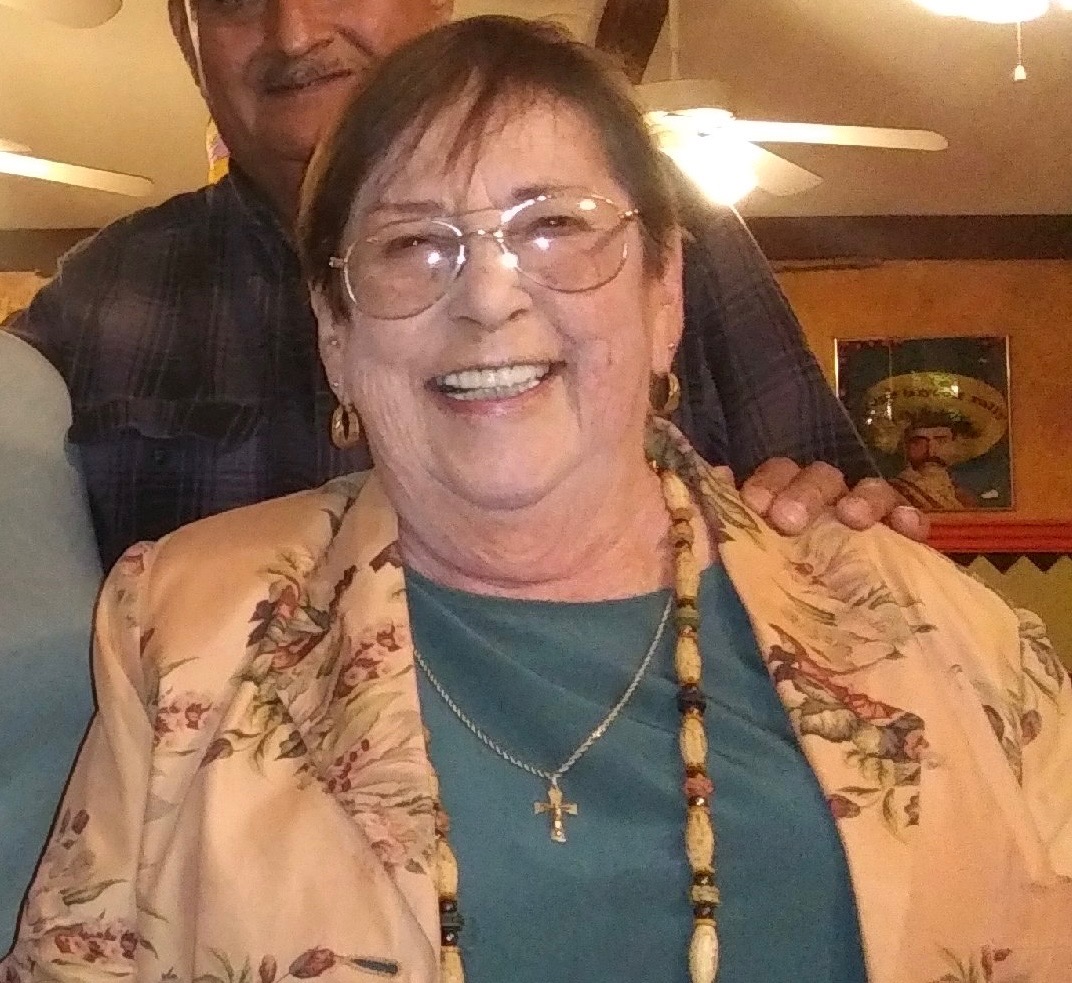


Aracely García, interviewed 2018
Factory worker and Salvadoran immigrant
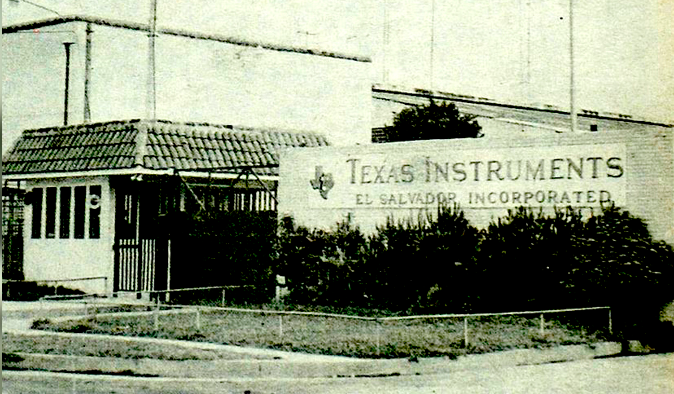
In this clip, Aracely García describes in Spanish to Elgin Community College students how she lived in San Salvador, El Salvador, and worked as an assembler at a U.S. multinational corporation, Texas Instruments. The 1970s and early 1980s were a period of dramatic change in El Salvador. The deep and long-standing inequalities in Salvadoran society became unbearable for large segments of the population. Unions and social movements began making increasing demands on the state and the Salvadoran government responded with increasingly violent and bloody repression. Government death squads murdered two workers from Texas Instruments during this period. The Salvadoran labor movement called for a general strike on March 21, 1980. In her oral history interview, García called the strike a huelga de brazos caídos, or a sit-down, (literally “dropped-arms”) strike. When García and other Texas Instruments workers went on strike in 1980, the army stormed the factory. The manager fled in an army helicopter and the director of plant security paced the rows of machines with a pistol in each hand. The army captured and shot two workers. The following day Texas Instrument workers held a memorial at a union office. The army arrived again, killing two more workers and arresting the rest. Two days later, a death squad assassinated Archbishop Óscar Romero as he delivered mass in San Salvador, an act largely understood to have officially sparked the country’s civil war. García did not flee El Salvador immediately. She decided to leave only after her co-workers distributed a secret list at the factory for workers interested in purchasing a Black-market memoir called Las cárceles clandestinas de El Salvador, or The Secret Jails of El Salvador. It was written by Ana Guadalupe Martínez, a militant who was brutally tortured by U.S.-trained Salvadoran security forces. The book was distributed during a time when the Salvadoran government was officially denying rumors of its own brutality. García signed up to buy a copy. When workers who signed the list started disappearing, she decided to flee to the U.S. She eventually ended up in Elgin, Illinois.